Minimally invasive spine surgery is a safe and effective way to treat many spine conditions while reducing tissue damage. Using small incisions, these procedures preserve the muscles and surrounding tissues, resulting in less pain, shorter hospital stays, and a faster recovery.
Benefits of Minimally Invasive Spine Surgery
- Less blood loss during surgery
- Reduced risk of infection
- Less post-operative pain
- Shorter time in the operating room
- Faster recovery and return to daily activities
- Minimal scarring and fewer complications
- Improved function and mobility
Procedures Often Done Minimally Invasively
Minimally invasive techniques are successfully used for:
- Discectomy – removing herniated discs pressing on nerves
- Spinal fusion – stabilizing vertebrae with smaller incisions
- Decompression of spinal tumors – relieving nerve pressure
- Vertebral compression fracture repair – restoring stability
Who is a Candidate?
Most spine surgeries today use some form of minimally invasive technique. However, not every patient or condition is appropriate. Your spine surgeon will evaluate your diagnosis, overall health, and treatment goals to determine the best approach.
Recovery After Surgery
- Many procedures are performed on an outpatient basis, allowing patients to go home the same day.
- Patients are usually walking soon after surgery.
- Recovery may be faster than traditional surgery, with many patients returning to work and daily activities within a few weeks, depending on the procedure and type of work.
Why Choose Minimally Invasive Surgery
- Preserves healthy muscles and tissue
- Reduces pain and scarring
- Shortens recovery time
- Improves mobility and quality of life
If you have chronic neck or back pain or need spine surgery, schedule a consultation with our specialists to see if minimally invasive spine surgery is right for you.
Find a Minimally Invasive Spine Surgery specialist

Kevin N. Ammar, MD
Neurosurgery
Neurosurgery (Neck, Back)
Neurosurgery: Neck, Spine

William W. Brooks, MD
Orthopedic
Orthopedic Spine (Neck, Back)
Orthopedic, Orthopedic Spine, Orthopedic Surgery: Neck, Spine
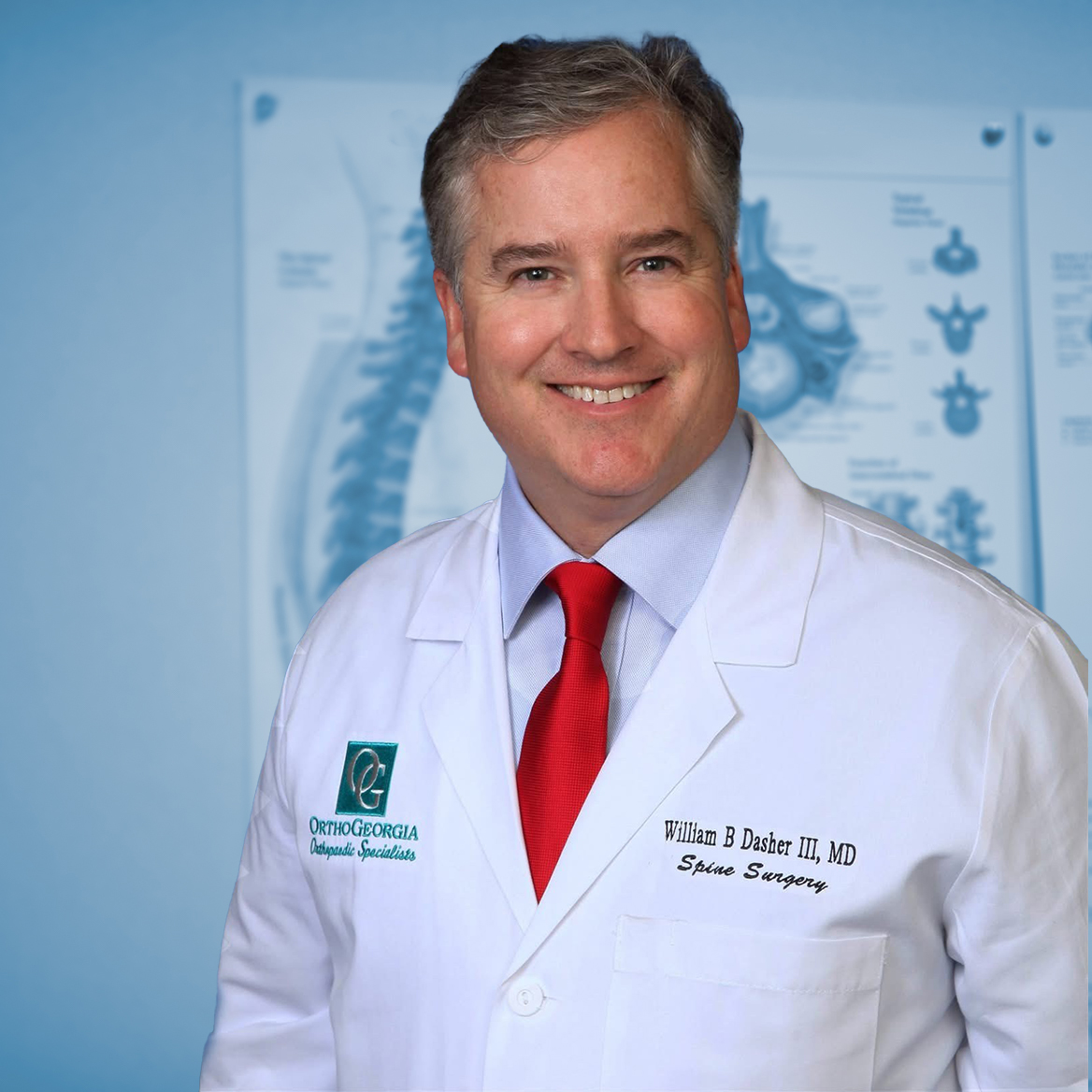
William B. Dasher III, MD
Orthopedic Spine
Orthopedic Spine (Neck, Back)
Orthopedic Spine: Neck, Spine

Edward Fakhre, MD
Orthopedic
Orthopedic Spine (Neck, Back)
Orthopedic: Spine

Bradley A. Heiges, MD
Orthopedic
Orthopedic Spine (Neck, Back)
Orthopedic, Orthopedic Spine, Orthopedic Surgery: Neck, Spine

Winston Jeshuran, MD
Neurosurgery
Neurosurgery (Neck, Back)
Neurosurgery: Neck, Spine

Wayne Kelley, Jr, MD
Orthopedic
Orthopedic Spine (Neck, Back)
Orthopedic, Orthopedic Spine, Orthopedic Surgery: Spine
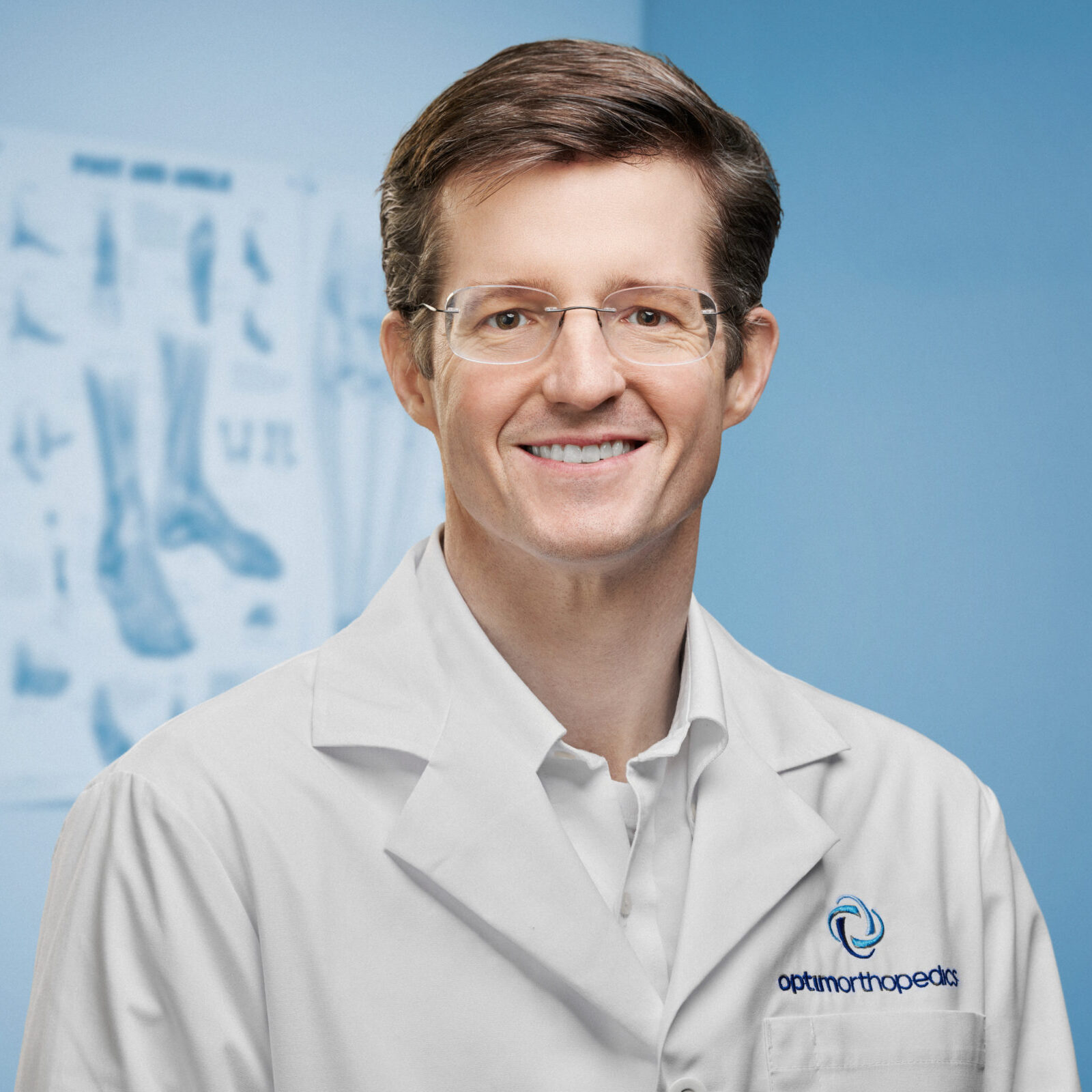
Thomas W. Lawhorne, III, MD
Orthopedic
Orthopedic Spine (Neck, Back)
Orthopedic Spine, Orthopedic Surgery, Orthopedic: Neck, Spine
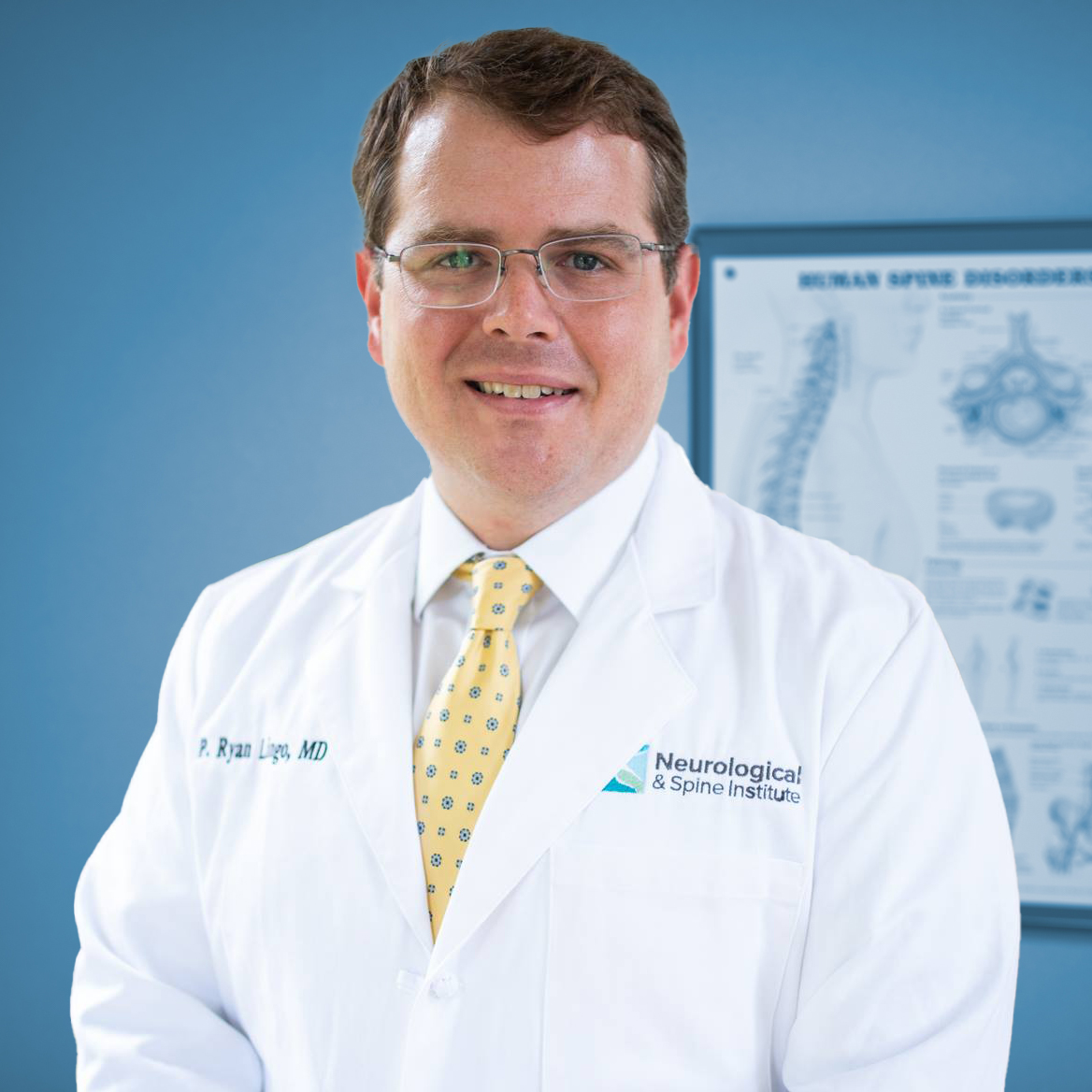
P. Ryan Lingo, MD
Neurosurgery
Neurosurgery (Neck, Back)
Neurosurgery: Neck, Spine

John McCormick, II, MD
Orthopedic
Orthopedic Spine (Neck, Back)
Orthopedic, Orthopedic Spine, Orthopedic Surgery: Neck, Spine
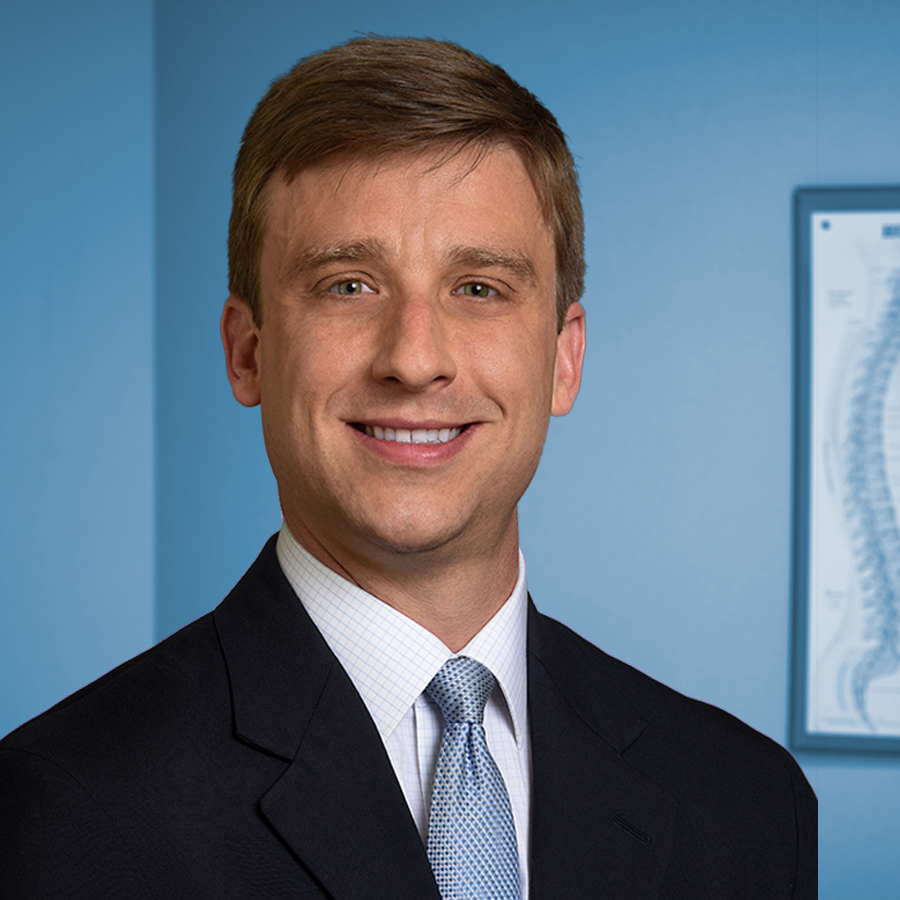
Thomas E. Niemeier, MD
Orthopedic
Orthopedic Spine (Neck, Back)
Orthopedic, Orthopedic Spine, Orthopedic Surgery: Neck, Spine

Ryan Schnetzer, MD
Orthopedic
Orthopedic Spine (Neck, Back)
Orthopedic, Orthopedic Spine, Orthopedic Surgery: Neck, Spine

Kevin L. Stevenson, MD
Neurosurgery
Neurosurgery (Neck, Back)
Neurosurgery: Spine, Neck
