Anterior lumbar interbody fusion (ALIF) is a type of spinal surgery used to treat certain types of back problems. It is often recommended when the spine is unstable, a vertebra has shifted forward (spondylolisthesis), or when degenerative disc disease and spinal stenosis cause pain or nerve problems.
What is ALIF?
ALIF is performed through an incision in the lower abdomen. This approach allows surgeons to remove the damaged disc and place a stabilizing implant with bone graft between two vertebrae. The implant helps the vertebrae fuse together over time.
Benefits of ALIF include:
- Placement of a larger implant for better stability
- Restoration of normal spinal alignment
- Increased overall spinal stability
Who is a Good Candidate?
ALIF may be an option for patients with:
- Lumbar spine instability from degenerative disc disease
- Spondylolisthesis (vertebra slipping forward)
- Degenerative scoliosis (spinal misalignment)
- Recurrent herniated discs
Candidates typically experience pain, numbness, weakness, or other nerve-related symptoms that limit daily activities. Not every patient is suited for ALIF, so a consultation with a surgeon trained in spinal fusion procedures is essential to determine the best surgical option.
Understanding the Lumbar Spine
The lumbar spine (lower back) is made up of five large, strong vertebrae. Between each vertebra is a gel-filled disc that cushions and absorbs pressure. This area of the spine is susceptible to:
- Disc degeneration
- Herniated discs
- Spondylolisthesis
- Spinal stenosis
- General low back pain
When is Surgery Recommended?
Surgery may be considered if:
- Pain or weakness in the back or legs worsens
- Non-surgical treatments, such as physical therapy or medications, have not provided relief
- Daily activities are limited due to spinal problems
The type of fusion surgery depends on factors like your overall health, location and severity of spinal issues, and level of pain or disability. A qualified spinal surgeon will carefully evaluate your situation to determine if ALIF is right for you.
Recovery After ALIF
Recovery time varies, but most patients can expect the following:
- Hospital stay: 1 – 2 days
- Mobility: Walking usually begins the day after surgery
- Physical therapy: Provided in the hospital to help with walking, balance, and stair climbing
- Activity restrictions: Lifting limited to 5 lbs until released by your surgeon
- Return to normal activities: Often around 6 weeks, depending on individual recovery
- Return to work: Usually 2 – 6 weeks, depending on job requirements
Your surgeon will provide personalized instructions to ensure safe and effective recovery.
Why Choose ALIF?
ALIF is a safe, effective procedure that helps restore stability, alignment, and function to the lumbar spine. For patients struggling with chronic back pain, nerve compression, or spinal instability, ALIF can be a life-changing solution.
CLICK HERE to download the ALIF Flyer
Find an ALIF specialist

Kevin N. Ammar, MD
Neurosurgery
Neurosurgery (Neck, Back)
Neurosurgery: Neck, Spine

William W. Brooks, MD
Orthopedic
Orthopedic Spine (Neck, Back)
Orthopedic Spine, Orthopedic Surgery, Orthopedic: Neck, Spine
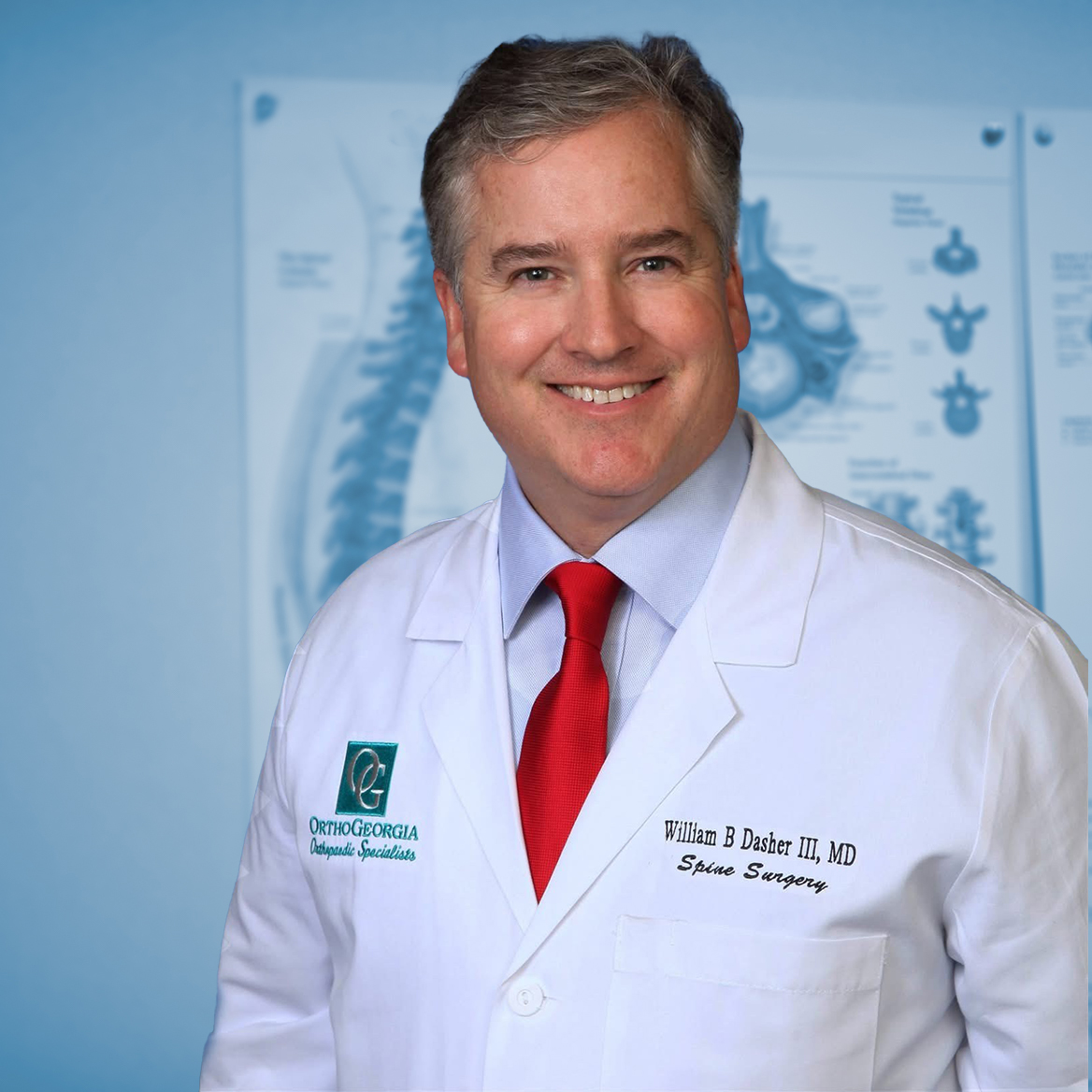
William B. Dasher III, MD
Orthopedic Spine
Orthopedic Spine (Neck, Back)
Orthopedic Spine: Neck, Spine

Wayne Kelley, Jr, MD
Orthopedic
Orthopedic Spine (Neck, Back)
Orthopedic, Orthopedic Spine, Orthopedic Surgery: Spine

John McCormick, II, MD
Orthopedic
Orthopedic Spine (Neck, Back)
Orthopedic, Orthopedic Spine, Orthopedic Surgery: Neck, Spine

Ryan Schnetzer, MD
Orthopedic
Orthopedic Spine (Neck, Back)
Orthopedic, Orthopedic Spine, Orthopedic Surgery: Neck, Spine
